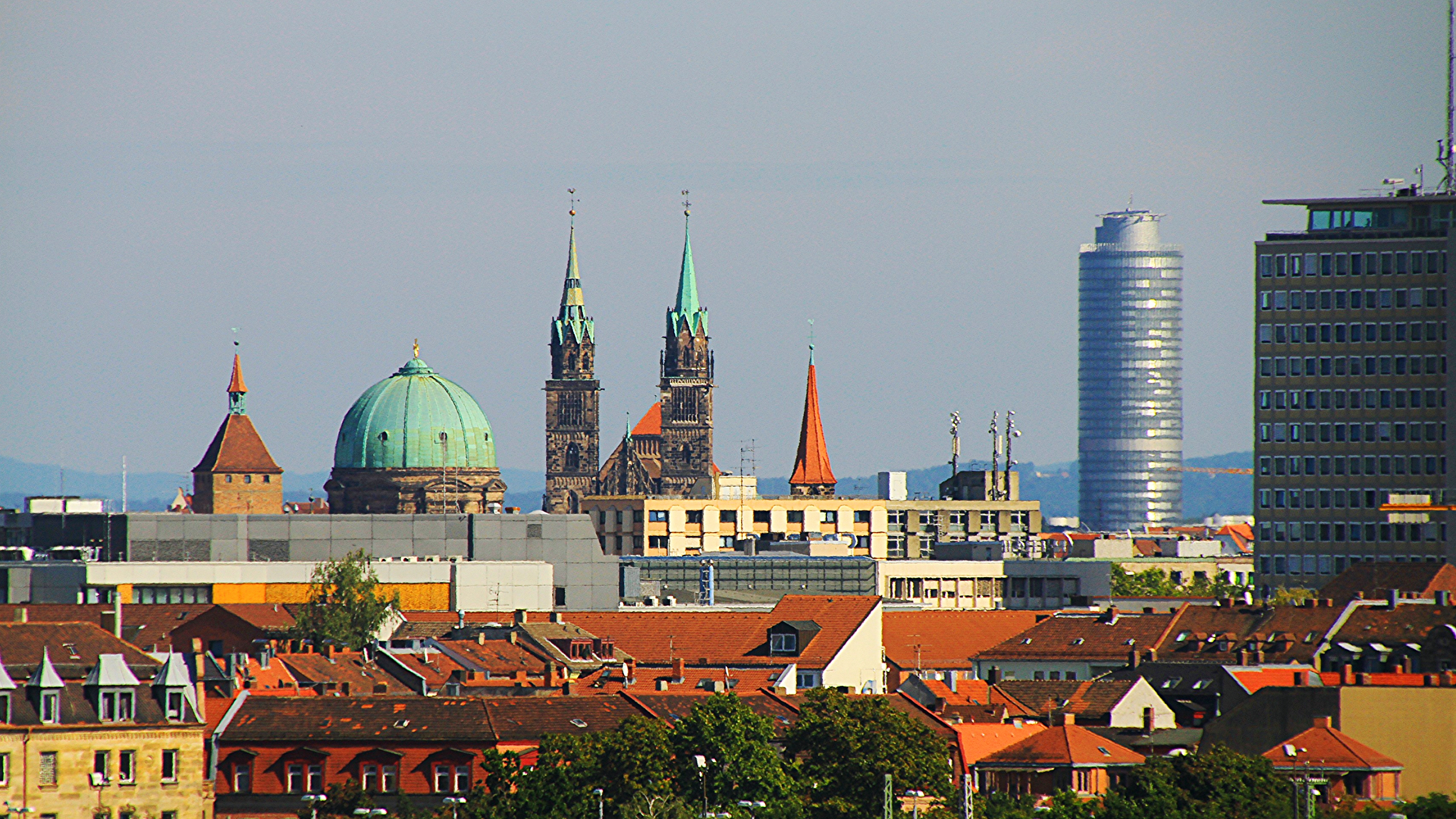
Nestled in the heart of Frankonia, the region surrounding Nuremberg is home to some of the most famous names in the world of writing instruments. Among them, Staedtler and Faber-Castell stand tall as two historical giants, each with a legacy of innovation, quality, and family tradition that has shaped not only the local economy but the global landscape of art and craftsmanship.
Staedtler: A Legacy Forged in Craftsmanship
The story of Staedtler begins long before the company's official founding in 1835. Tracing its roots back to 1636, the Staedtler name is synonymous with the artistry of fine writing. Born into a family of gold and silversmiths in Nuremberg, Friedrich Staedtler laid the groundwork for what would become a global empire of writing tools. Although Staedtler's formal company was established by his great-grandson Johann Sebastian Staedtler, the Staedtler family's craftsmanship legacy had been evolving for generations.
In 1835, Johann Sebastian Staedtler revolutionized the pencil industry by inventing the wood-cased coloured pencil, combining oil and chalk for a superior writing experience. This innovation helped cement Staedtler's reputation as a pioneer in the field of writing instruments. Today, the company continues to lead the way in developing products that marry tradition with modernity, including the renowned Mars Lumograph pencil and the sustainable Made from Upcycled Wood collection.
Staedtler's ongoing commitment to environmental sustainability is reflected in its dedication to using even the smallest wood residues, transforming them into pencils that inspire creativity worldwide. This ethos of innovation has ensured Staedtler's place in the hearts of artists, designers, and writers across the globe.
Faber-Castell: Mastery of the Pencil
Founded in 1761 by Kaspar Faber, a cabinet maker from Stein, Germany, Faber-Castell has long been recognized as a leader in the world of writing instruments. The company's commitment to quality and excellence was carried on through successive generations, most notably by Johann Lothar Freiherr von Faber, who expanded the family business globally, establishing branches in cities like New York, Paris, and London in the mid-19th century.
Faber-Castell's story is intertwined with innovation, beginning with the creation of the iconic Castell pencil line, first introduced in 1905. These pencils, bearing the emblem of two jousting knights (a tribute to the family's aristocratic heritage) quickly became a symbol of prestige and quality. Faber-Castell's Polychromos coloured pencils, introduced in 1908, remain a preferred choice for professional artists to this day.
As the world's largest manufacturer of pencils, Faber-Castell continues to thrive by blending tradition with cutting-edge technology, developing products that cater to all levels of creativity. Whether it's their high-end writing instruments, luxury leather goods, or the eco-friendly GRIP pencils, Faber-Castell's products are a testament to the company's dedication to quality and innovation.
The Cultural and Economic Impact on Nuremberg and Frankonia
Both Staedtler and Faber-Castell are not only shining examples of family-run businesses but also pillars of the Nuremberg and Frankonia region's economy and culture. Their growth has brought global attention to the area, showcasing its rich tradition of craftsmanship and innovation. These two companies represent the enduring spirit of Frankonia (a region that has long been known for its commitment to quality, precision, and creativity).
Through their continued success, Staedtler and Faber-Castell have helped define Nuremberg and its surroundings as a hub for fine writing instruments. Their impact is felt not just locally, where generations of workers have contributed to their success, but also globally, as millions of students, professionals, and artists rely on their products every day.
In addition to their economic influence, both companies have become cultural icons in their own right. Staedtler's commitment to sustainable practices and Faber-Castell's luxurious, yet accessible, product lines speak to a broader commitment to social responsibility and creativity. These companies exemplify how local heritage and global innovation can coexist, creating a lasting legacy for future generations.
Conclusion
Staedtler and Faber-Castell are more than just writing instrument manufacturers—they are two wonders of Frankonia and Nuremberg, symbols of craftsmanship, innovation, and family tradition that continue to shape the world of art and design. With roots dating back centuries, these two companies embody the spirit of the region and its people, making them true treasures of both the past and the future. From the pencil that artists use to create masterpieces, to the tools that students and professionals rely on, Staedtler and Faber-Castell are integral to the very fabric of creativity.